№01 / Anchor·BUSINESS & FINANCE
San Francisco is Still #1 Despite Everything You’ve Heard
*San Francisco, CA.*
JG
Jay Goldberg
JAN 8, 2026 · 12:21 PM ET · 3 MIN READ
Editorial
*San Francisco, CA.*
 San Francisco, CA.
For years, the dominant story in tech has been geographic dispersal. Talent left coastal cities, startups followed, and capital became more distributed. San Francisco, New York, and Los Angeles were framed as legacy hubs struggling to stay relevant in a remote-first world.
That narrative no longer holds up.
According to Multipolitan’s 2026 Start-Up Friendly Cities Index, San Francisco ranks #1 globally, with New York at #5 and Los Angeles at #6. These three U.S. cities sit firmly in the global top tier because they continue to function as the most effective places to build companies at scale.
Most rankings still rely on familiar inputs such as venture dollars, unicorn counts, and headline exits.
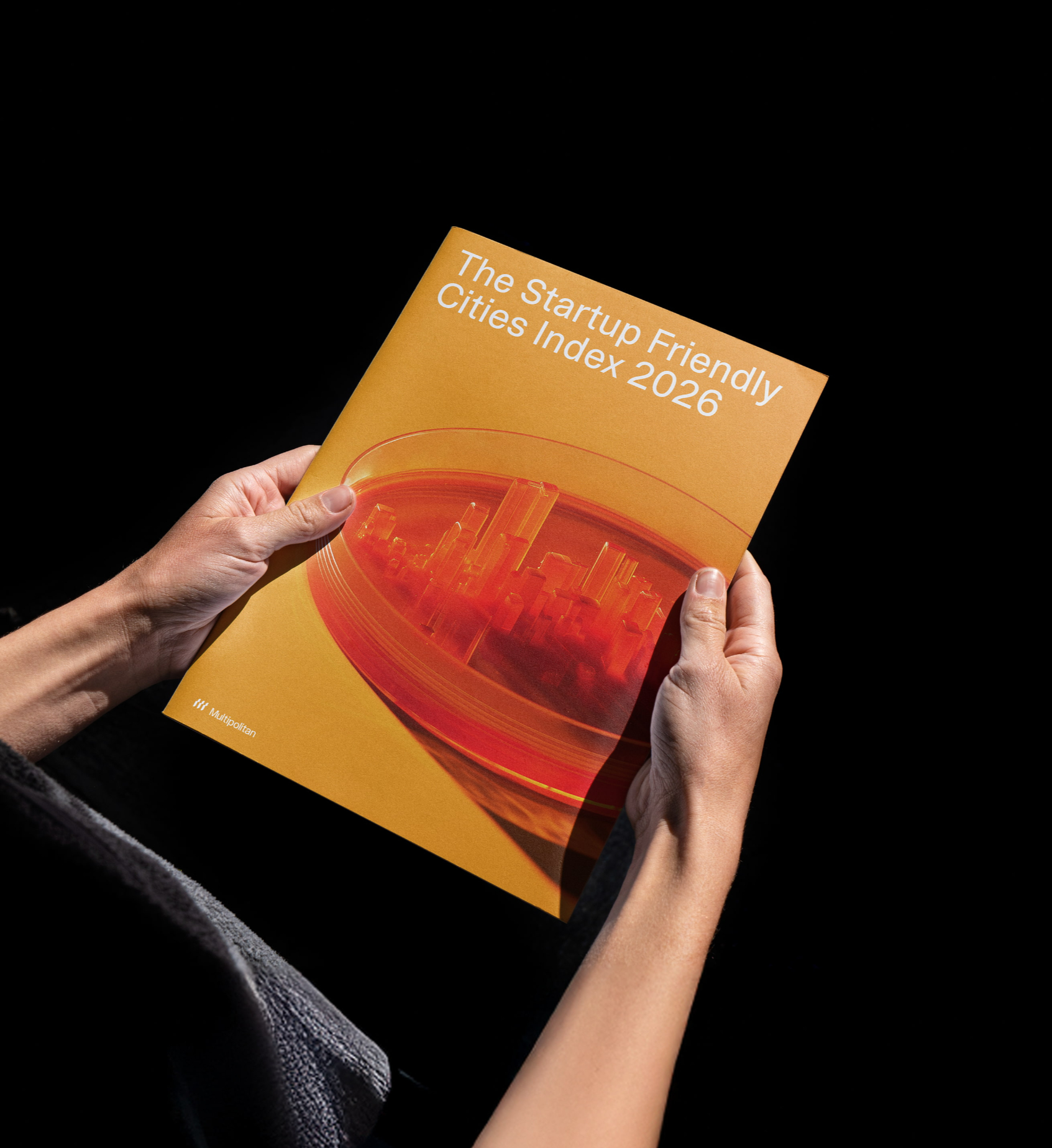 Start Friendly Cities Index 2026. Courtesy of Multipolitan.
Those metrics made sense when fundraising velocity was the primary signal of success. They matter less in an environment where founders are focused on durability, hiring, execution speed, and long-term retention.
The Start-Up Friendly Cities Index takes a different approach. Cities are evaluated across five equally weighted pillars that include start-up activity, digital connectivity, young talent, quality of life, and business agility.
Within start-up activity, the index prioritizes total company formation over unicorn outcomes, emphasizing ecosystem depth rather than a small number of outliers
In practice, this means the Index reflects how a city actually performs for founders once the funding announcement fades.
San Francisco maintaining a position at the top of the ranking will surprise some and irritate others. But from an operating standpoint, it makes sense.
The city continues to concentrate technical talent, early-stage formation, AI capital, and institutional infrastructure at a level few places can match. Return-to-office dynamics and real estate adjustments are part of the picture, but they are secondary. What matters more is that companies can still hire quickly, form teams, access capital, and scale without leaving the ecosystem.
 New York, NY.
New York’s top-five placement reflects its strength as a multi-sector operating hub. Fintech, enterprise software, healthcare, and media-adjacent technology all benefit from proximity to capital, customers, and regulators.
The city remains a place where companies start and professionalize.
Los Angeles’ #6 ranking is equally telling.
 Los Angeles, CA.
The city’s tech identity has shifted meaningfully over the past few years. Defense, aerospace, and dual-use startups have expanded across Southern California, drawn by specialized talent and the ability to build companies closer to physical and regulatory constraints. And the city’s proximity to Arizona’s chip production facilities has also bolstered its attractiveness to the tech industry.
The Index captures that reality without treating LA’s tech economy as a novelty.
The takeaway from the 2026 Index isn’t that remote work failed or that affordability stopped mattering, it’s that scale still rewards concentration.
When founders evaluate cities based on hiring speed, operational friction, livability, and long-term retention, the largest U.S. hubs continue to outperform.
The startup map has reconsolidated around places that still work.
For founders and investors alike, that’s the signal worth paying attention to.
Jay Goldberg is a staff writer at TechEchelon covering technology, markets, and policy. He files the breaking news and deal coverage that move the publication's core desks.
More from Jay →E.l.f. Beauty CFO Mandy Fields says the company is directing most of a roughly $50 million tariff refund toward marketing, while selectively keeping prices low only for the 10% of products that saw meaningful sales gains after rollbacks.
Netflix announced Thursday that Bela Bajaria is leaving after nearly 10 years, with former Disney executive Peter Rice set to take over as chief content officer on October 26. The transition follows layoffs affecting roughly 1,000 employees.
Harvard University's endowment posted a 27.1% return in fiscal year 2026 — its best in five years — reaching nearly $68 billion, with a $2.2 billion SpaceX position serving as the portfolio's largest single holding.
Written for readers who already know the basics — markets, AI, and the policy decisions that shape both.