As families navigate the complexities of generational transition, particularly as “The Greatest Wealth Transfer in History Is Here” according to the NY Times, the line between a family business and a family enterprise continues to evolve. Who better to seek to understand this challenge than the CEO of a company that consults with more than 3,000 family businesses on topics that include succession planning, conflict resolution and everything in between.
Kristi Daeda, President and CEO of The Family Business Consulting Group (FBCG), suggests the family business evolution is at a critical juncture where families must thoughtfully address issues of leadership, ownership, and long-term purpose.
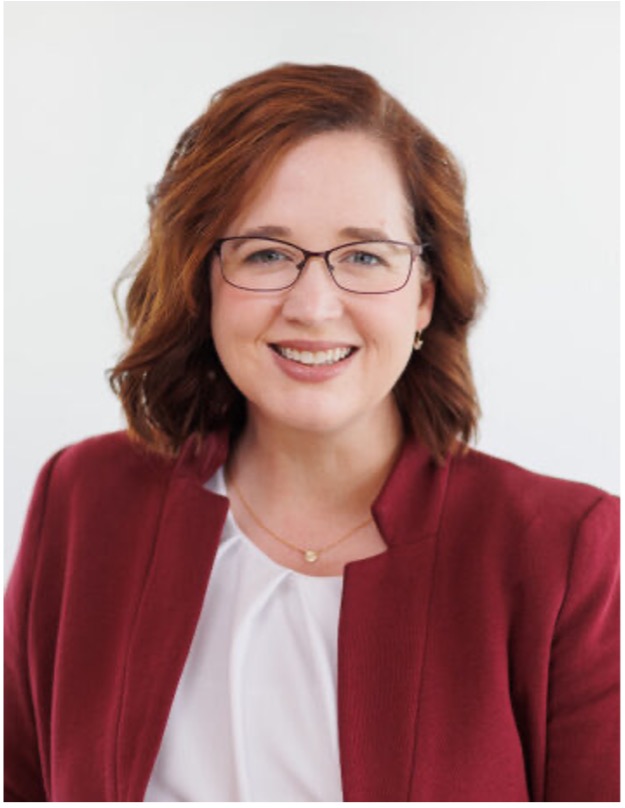 Kristi Daeda, President and CEO of The Family Business Consulting Group.
Daeda leads a firm focused on helping multigenerational family enterprises build strong businesses and strong families through clarity of vision, aligned energies, and effective family engagement.
Her expertise includes family governance, leadership development, board development, change management, coaching, and family business education. FBCG emphasizes that family enterprise success is about more than business performance alone; it is also about trust, alignment, legacy, and long-term resilience across generations.
"Families often regret waiting too long to do this work," Daeda explains. "Strong families build momentum together rather than rushing to a solution. Lasting success requires common goals, defined roles, intentional leadership, and engaged ownership."
In the Q&A below, Daeda discusses the pivotal shifts that define the move from family business to family enterprise, the risks of delaying succession planning, and the key factors that allow the most resilient multigenerational families to preserve both their wealth and their purpose.
Q: For readers new to your work, how do you define the difference between a family business and a family enterprise?
At the most fundamental level, a family business is an operating company owned and/or managed by members of the same family. A family enterprise, on the other hand, is a more complex, multigenerational system that encompasses the family's operating businesses, investments, philanthropy, family governance, and overall legacy.
The family enterprise recognizes that the family's wealth and purpose extend beyond a single business. It requires a more holistic approach to stewardship, one that aligns the family's values, vision, and long-term priorities across all of its activities. Families that make this shift often find themselves needing different skills, structures, and decision-making processes to responsibly manage their growing complexity.
Q: Why do so many families wait so long to begin succession planning, and what does that delay tend to cost them?
Succession planning is one of the most critical and challenging issues facing family enterprises, yet it's also one of the most commonly neglected. Many founders and patriarchs are understandably hesitant to contemplate their own mortality or to cede control of the business they've poured their life into. There's also often a reluctance to have difficult conversations about the next generation's readiness and about potential disagreements around how ownership and leadership will be transferred.
But the cost of delay can be severe. When families wait too long, they risk creating instability, resentment, and a crisis-driven transition that damages the business and strains family relationships. Emerging leaders may feel unprepared or resentful, while departing leaders can struggle to let go. Unresolved tensions and unclear expectations make it hard for the next generation to establish their credibility and authority.
Succession planning isn't just about choosing a replacement; it's about developing capability, trust, and credibility for the future. It’s about transferring knowledge and relationships to the next generation of leaders. Families that start this process early and approach it collaboratively are far more likely to preserve both their business and their family unity through the transition.
Q: What separates a successful leadership transition from one that creates instability or resentment?
Successful leadership transitions are built on a foundation of trust, transparency, and intentional development of the next generation. It's critical that the incumbent leaders not only identify their successors, but also invest time in mentoring, coaching, and gradually transferring decision-making authority.
The process should feel collaborative, not imposed. Emerging leaders need opportunities to demonstrate their skills and earn the respect of the broader family and organization. Clear governance structures, defined roles and responsibilities, and open communication all help ensure a smooth handoff of power and prevent the kind of resentment that can derail a transition.
Families also need to thoughtfully address the emotional aspects of the change. Departing leaders may struggle with the loss of identity and influence. Successors may feel overwhelmed or questioned. Addressing these human dynamics, and giving everyone a voice, is just as important as the mechanics of the transition plan.
Q: How should families think about next-generation wealth beyond simply transferring assets?
Preparing the next generation for wealth and ownership is about more than just tax planning and asset allocation. It's about cultivating responsible stewardship
We find that for many families, their greatest fear is the potential negative impact of wealth on their children. Families need to be intentional about developing the skills, mindsets, and values that will allow the rising generation to be effective owners, not just passive heirs. This means providing opportunities for hands-on business experience, board service, philanthropic leadership, and other ways to build their capabilities. It also requires open conversations about the family's purpose, its governance, and the responsibilities that come with ownership.
The goal should be to create a sense of ownership and legacy, the greatest antidote to a sense of entitlement. Families that do this well tend to foster a collaborative, mission-driven culture where the next generation feels invested in the family's long-term success, not just their own financial security.
Q: At what point does a family business need to consider building a family office, and what signals tell you that shift may be appropriate?
There's no single trigger point, but in general, families should start considering a family office structure when the complexity of their financial, investment, and philanthropic activities exceeds what can be effectively managed within the operating business. This often happens as the family grows in size and as the business itself matures and diversifies.
Some key signals include:
- The family's total net worth and investable assets grow to a level that requires more sophisticated wealth management.
- The family's philanthropic giving and social impact activities become substantial.
- The family's investment portfolio becomes increasingly diverse, with holdings that go beyond the core operating business.
- The family needs more coordinated planning around issues like tax, estate, and succession.
- The operating business no longer represents the majority of the family's overall wealth and assets.
Building a family office allows families to professionalize their wealth management, centralize decision-making, and bring greater focus to preserving and growing their assets across generations. But it also requires significant commitment, governance, and a shift in mindset from being business operators to being investment stewards.
Q: What are the biggest misconceptions families have about family offices?
One of the biggest misconceptions is that a family office is just about investment management and asset protection. In reality, the most effective family offices take a much broader, more holistic view of the family's needs and priorities.
A well-designed family office should serve as the strategic nerve center for the family enterprise, aligning the family's vision, values, and long-term goals across all of its activities – business, investments, philanthropy, education, and more. It requires robust governance, clear decision-making processes, and strong family engagement.
Another misconception is that a family office is only for the ultra-wealthy. In reality, many middle-market and even some smaller family businesses are finding that a family office structure makes sense as their needs grow in complexity. The key is designing an appropriately scaled model that fits the family's specific circumstances.
Ultimately, a family office is not just a wealth management tool; it's a mechanism for preserving the family's purpose and legacy across generations. Families that understand this tend to get the most value from the family office structure.
Q: How do governance structures help families make better decisions about ownership, leadership, liquidity, and legacy?
Effective family governance is essential for aligning the family's values, vision, and long-term priorities. It provides the decision-making frameworks, communication channels, and accountability mechanisms that allow the family to responsibly manage their growing complexity.
Well-designed governance structures – things like family councils, family constitutions, and robust board practices – create clarity around roles, responsibilities, and decision rights. This helps prevent conflicts, ensures equitable treatment, and empowers the family to make thoughtful choices about critical issues like ownership transitions, leadership development, liquidity events, and philanthropic initiatives.
Governance also fosters transparency and ongoing dialogue. Families that communicate openly and make decisions collaboratively tend to build greater trust, commitment, and resilience – all of which are essential for preserving both the business and the family's unity across generations.
Ultimately, strong governance is what transforms a family business into a true family enterprise, one that is focused on more than just financial performance. It's the glue that aligns the family's values, vision, and long-term stewardship.
Q: What should founders understand about preparing the rising generation to be responsible enterprise owners?
Founders often struggle to let go and empower the next generation. But the most successful multigenerational families recognize that the long-term health of the enterprise depends on cultivating capable, engaged, and responsible owners.
Early exposure to the family business and the values that sustain it can develop a sense of pride and engagement. From there, internship programs, ownership education, and representing the family internally and externally provide insights into the role of effective owners.
Most importantly, families should create structured opportunities for the next generation to contribute their ideas and perspectives. And they should be willing to gradually transfer real decision-making authority, not just ceremonial roles. This creates the healthy balance between rewards and responsibility and ensures the next generation can lead in their time.
Families that get this right tend to create a culture of active, engaged ownership that endures across the generations.
Q: How can families balance preserving core values with adapting to new business realities and new generations of leadership?
This is one of the central tensions that all multigenerational families must navigate. On one hand, preserving the family's core identity, purpose, and values is essential for maintaining continuity and a sense of shared legacy. On the other hand, the business and investment landscape is constantly evolving, requiring new skills, mindsets, and adaptations from each generation of leaders.
The key is to be intentional about defining the family's timeless principles and non-negotiables, while also creating space for the next generation to build upon and reinterpret those foundations. Families need to have open, ongoing dialogues about their shared values and how those values can be expressed in new ways.
Robust governance structures, as we discussed earlier, play a critical role in this process. The create the space to wrangle with change andy empower the next generation to contribute their ideas and perspectives without feeling like they're abandoning the family's heritage.
Ultimately, the most resilient multigenerational families are those that can preserve their core identity and purpose while also evolving to meet new realities. It's a delicate balance, but one that is essential for ensuring the family enterprise thrives across the generations.
Q: Looking ahead, what will define the most resilient multigenerational family enterprises over the next decade?
The families that will be best positioned for long-term resilience are those that make intentional investments in three key areas: governance, leadership development, and values-driven ownership.
On the governance front, we'll see more families formalizing their decision-making structures, clarifying roles and responsibilities, and establishing robust communication channels. Effective family governance is the foundation for aligning the family's vision, managing complexity, and preserving unity through transitions.
Leadership development will also be critical. Families will need to be proactive about identifying, training, and gradually empowering the next generation of leaders – not just in the operating business, but across the family enterprise as a whole. This requires a shift from passive succession planning to active capability building.
And finally, the most resilient families will be those that cultivate a true sense of ownership and stewardship, grounded in the family's core values and long-term purpose. They'll move beyond simply passing down wealth to instilling a deeper commitment to responsible ownership, active engagement, and preserving the family's legacy.
Families that excel in these areas will be better equipped to navigate challenges and capture opportunity in the coming decades. They'll be the ones that not only preserve their financial capital, but also their social and intellectual capital as well.